Brush ClearingThat Opens Up Your Woods
Brush clearing and underbrush removal for wooded land in northeast Minnesota. We grind out the thick stuff and leave the good trees standing.
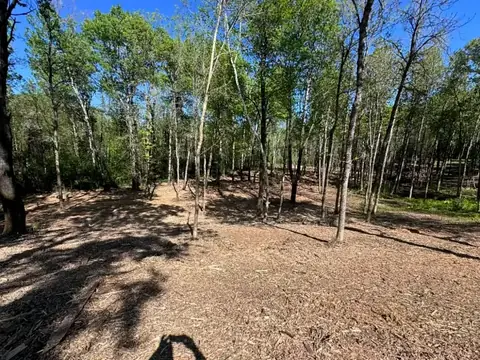
Take Back The Woods You Own
Good woods can disappear behind bad brush. You have mature trees overhead, but underneath it is a tangle. Hazel, alder, willow, buckthorn and waist-high saplings fill every gap. You can't see through it or walk through it. Brush clearing takes out that lower layer and gives you back the woods. It is the job people mean when they search for brush removal or underbrush clearing.
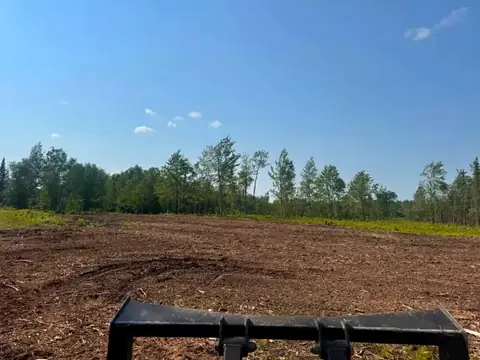
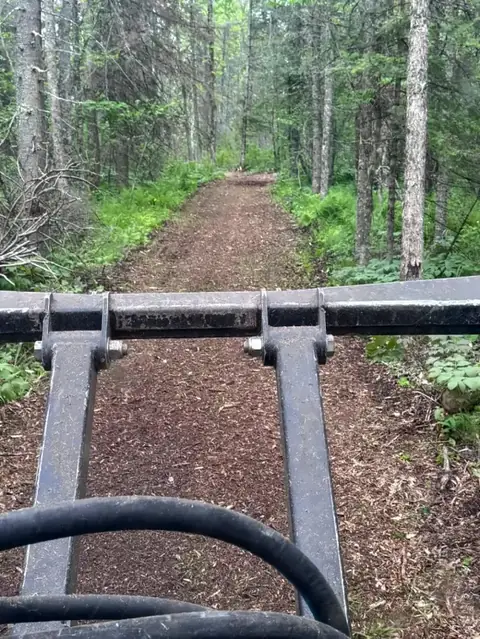
We do it with a tracked loader and a mulching head. Calvin works between the trees you want to keep and grinds the understory down to mulch. There is nothing to drag out and nothing to stack. The big trees stay. The shade stays. What goes is the thicket that made the place unusable. Afterward you can see through your woods and walk where you want.
- Understory cleared, mature trees left alone
- Thickets ground down where they stand
- No dragging, stacking or burning brush
- Woods you can see and walk through
What To Know About Brush & Underbrush
What counts as brush and underbrush
Brush is the woody growth that never becomes a real tree, plus the young trees crowding in below the canopy. Around here that means hazel, dogwood, alder, willow, buckthorn, raspberry cane and thick balsam or popple regrowth. On wet edges, alder and willow build thickets so tight a dog has trouble getting through. On drier ground, buckthorn and hazel do the same thing.
Underbrush clearing goes after all of it at once. We are not pulling single stems. The machine takes the whole lower layer down to the ground and leaves the overstory alone. That is different from land clearing, where the aim is open ground. Here the aim is clean woods with the canopy intact. The method behind both is forestry mulching.
Why mulch it and not cut and pile it
Anybody who has cleared brush by hand knows the cutting is the easy half. Dragging it out and getting rid of it is the hard half. Brush piles sit for years. Burning them takes a permit, a calm day and somebody to watch the fire. A chipper needs every stem fed in by hand. Most people run out of weekends before they run out of brush.
A mulching head skips all of that. The brush is cut and disposed of in the same motion. Chips land where the plant stood. They cover the soil, keep it from washing and shade out some of what would sprout next. One operator can clean up ground that would keep a hand crew busy for a long time. No pile is left for you to deal with.
What drives the cost of brush clearing
Brush jobs vary more than people expect. Thin hazel under open hardwoods is light work. A solid alder swamp edge is not. Density is the first thing Calvin looks at. Next is how tight the keeper trees are. Wide spacing lets the machine move. Close spacing means slow, careful passes so bark does not get skinned and roots do not get torn up.
Then there is the ground. Deadfall, boulders, old stumps and soft spots all slow things down. So does a long trip in from where the trailer can park. We do not quote numbers until we have seen the woods in person. Our page on what drives the cost explains each factor in plain terms. The walk-through and the estimate are both free.
Keeping it clear afterward
We will be straight with you. Brush wants to come back. Most of these plants sprout from the root when they are cut, and buckthorn drops seed that waits in the soil. The mulch layer slows that down by shading the ground. It does not stop it for good. We do not spray, so we make no promises about killing roots.
The good news is that upkeep is far easier than the first clearing. Once the heavy growth is gone, a brush mower or a second light pass handles the sprouts. Some owners have us back to touch things up. Others add trails while we are there so they can reach the back corners. See our service area for the counties we cover.
Simple From First Call to Last Pass
Reach Out
Call, text or send the form and tell us where the land is and what you want done.
Walk the Land
We look at the ground, the growth and what you want to keep.
Get an Estimate
You get a straight number and a plan for the work.
We Mulch It
The machine rolls in and your land opens up.
Brush & Underbrush Questions
Do you clear buckthorn and thick brush?
Yes. Buckthorn, alder, willow, hazel and thick saplings are the core of our brush and underbrush clearing. The mulching head grinds them to the ground. We do not apply herbicide, so plan on follow-up for sprouts. See our buckthorn removal guide.
Will the brush grow back after it is cleared?
Some of it will, in time. The roots are alive and many brush species sprout from them. Mulch on the ground shades the soil and slows that regrowth. Regular mowing or a light maintenance pass keeps it in check.
What is the best time of year to clear brush?
There is no bad season, and we work all year. Late fall through winter is popular because leaves are down and frozen ground carries the machine over soft spots. Summer works fine on dry ground. The best time is before you need the land.
Can you clear underbrush without hurting the big trees?
That is the whole point of the job. The loader is compact enough to work between standing trees, and Calvin runs the head with care near trunks. Where trees stand very close together, we go slower or leave a little brush at the base.
Do you haul the brush away when you are done?
There is nothing left to haul. The brush is ground into mulch as it is cut, and the mulch stays on the ground. If you have old brush piles from earlier work, mention them and we will look at them during the estimate.
Brush & Underbrush Near You
We work across St. Louis, Lake, Carlton, Pine, Aitkin and Itasca counties. See the full service area.
Let's Open Up Your Land
Call or text (218) 461-7376 or tell us where the property is and what you want cleared. Calvin walks the land with you before you get an estimate.
- Free estimate after we walk the land
- Acreage, lots, trails and fence lines
- Rather talk now? Call or text (218) 461-7376