CJ Forestry Mulching logoCJ ForestryMulching & Land Clearing
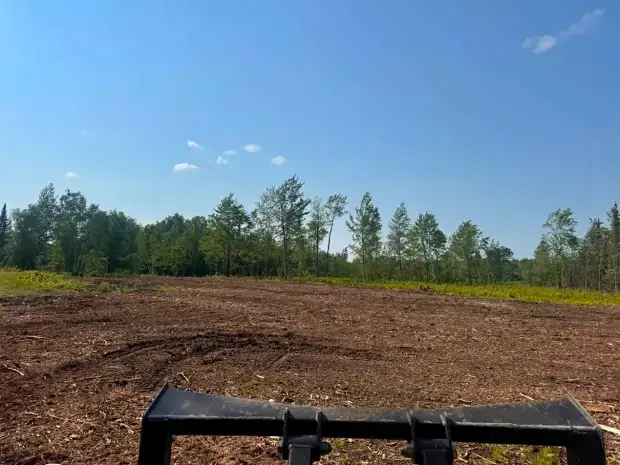
Summer clearing mulched under a blue sky
Guides ยท Northeast Minnesota

Land Clearing Guides

Plain answers from CJ Forestry Mulching about forestry mulching and clearing land in northern Minnesota, written for landowners. Free estimates: call or text (218) 461-7376.

6 guides

Forestry Mulching

How the method works, how long it takes, what grows back and when it is worth it.

GuideWhat Is Forestry Mulching?Forestry mulching clears brush, saplings and small trees with one machine and leaves the ground covered in mulch. Here is how it works, what you are left with, and where it is the wrong tool.Read the guideGuideForestry Mulching vs Traditional Land ClearingBoth methods clear land. They leave very different ground behind. This guide compares mulching with the traditional push, pile and burn approach, and says plainly when each one is the right call.Read the guideGuideHow Long Does Forestry Mulching Take?How long forestry mulching takes depends on what is growing on the ground and what the ground is like underneath. Thick brush, bigger stems, slopes, rock and soft soil all slow the machine, so the honest answer comes after someone walks the land.Read the guideGuideDo Trees Grow Back After Forestry Mulching?Yes, some growth comes back after forestry mulching, because the roots stay in the ground. The mulch layer slows the return, and a plan for follow-up keeps a cleared area open.Read the guideGuideForestry Mulching Pros and ConsThe main downsides of forestry mulching are that stumps and roots stay in the ground, a layer of wood chips covers the soil, and very wet ground can limit when the work happens. Its strengths are one machine, no piles to burn or haul, selective clearing and protected soil.Read the guideGuideIs Forestry Mulching Worth It?Forestry mulching is usually worth it when you want overgrown land open and usable without piles, burning or torn up soil, and you want to keep some trees. It is a weaker choice when the stumps have to come out or when the job is mostly large timber.Read the guide
6 guides

Lots, Driveways & Trails

Building sites, driveways and rights of way through the woods, trails, fence lines and fields that grew back in.

GuideClearing Land To Build A HouseTo clear land for a house, start with the survey and permits, then mark the house pad, driveway and septic area before any brush comes down. Clear brush and small trees with a mulcher to open the site, keep the good trees, and leave stump removal and dirt work in the footprint to the excavation crew that follows.Read the guideGuideClearing A Driveway Through The WoodsClearing a driveway through the woods starts with walking the route and checking the permit for where it meets the public road, then the brush and small trees come off the corridor before a dirt and gravel crew builds the road bed. A forestry mulcher opens the corridor in one pass; stump removal, grading and gravel are the next trades in line.Read the guideGuideRight Of Way Clearing For Minnesota LandownersRight of way clearing means cutting the brush and small trees out of a strip of land set aside for a road, an easement or a utility line. For a private landowner, it usually means reopening a shared private road, clearing an access easement, or opening a route so power can reach a cabin or building site.Read the guideGuideHow To Clear A Trail In The WoodsTo clear a trail in the woods, decide what will use it, walk and flag a route on high, dry ground, then cut the brush and small trees out of that line and keep the surface open. Short, light trails can be cut by hand, while long trails through thick saplings go far faster with a forestry mulcher that grinds the brush in place.Read the guideGuideHow To Clear A Fence LineThe most effective way to clear a fence line depends on how far it has grown in: light brush can be cut by hand, but rows full of saplings and small trees go much faster with a machine that grinds the growth into mulch. Confirm where the line runs first, protect the fence you are keeping, and talk with the neighbor before any work starts.Read the guideGuideReclaiming An Overgrown FieldTo reclaim an overgrown field, grind the brush and young trees back to open ground, then seed it and keep it mowed or grazed until the grass takes over again. A forestry mulcher does the first step in place without piles, and the seeding and mowing schedule afterward decide whether the field stays open.Read the guide
5 guides

Rules & Seasons

Winter clearing, shoreland and wetland rules, dead balsam and brush near the cabin.

GuideWhen to Clear Land in MinnesotaIn northeast Minnesota the ground decides when to clear land more than the brush does. Frozen winter ground and dry late summer are the easiest windows, spring thaw is the hardest, and hunting land work belongs well before the firearms opener.Read the guideGuideWinter Land Clearing in Northern MinnesotaCold weather does not shut down a forestry mulcher. In northern Minnesota, winter is often the best time to reach soft ground. Here is what frozen ground changes and what to line up before spring.Read the guideGuideClearing a Lake Lot Under Shoreland RulesYou can clear most of a cabin or lake lot in Minnesota, but not the strip next to the water. State shoreland rules restrict heavy clearing near the shore, on bluffs and on steep slopes, and your county or city enforces them. Here is what is generally restricted and who to ask before anything is cut.Read the guideGuideClearing Dead Balsam Fir After Spruce BudwormSpruce budworm is a native insect whose larvae strip and kill balsam fir. The dead trees dry out, break up and fall, and near a home or cabin the fix is to get them on the ground as mulch. Here is what is happening in the woods and what a forestry mulcher can and cannot do about it.Read the guideGuideBrush Clearing For Defensible SpaceDefensible space is the area around a home or cabin where the fuel has been thinned, so a wildfire has less to burn and firefighters have room to work. Clearing brush, dead balsam and crowded young conifers is a large part of making it. Here is what Minnesota's Firewise guidance asks for and where a forestry mulcher fits.Read the guide
Questions

The Short Version

Short answers from the guides. Open any one for the full story.

What Is Forestry Mulching?

Forestry mulching clears brush, saplings and small trees with one machine and leaves the ground covered in mulch. Here is how it works, what you are left with, and where it is the wrong tool. Read the full guide.

How Long Does Forestry Mulching Take?

How long forestry mulching takes depends on what is growing on the ground and what the ground is like underneath. Thick brush, bigger stems, slopes, rock and soft soil all slow the machine, so the honest answer comes after someone walks the land. Read the full guide.

Do Trees Grow Back After Forestry Mulching?

Yes, some growth comes back after forestry mulching, because the roots stay in the ground. The mulch layer slows the return, and a plan for follow-up keeps a cleared area open. Read the full guide.

Is Forestry Mulching Worth It?

Forestry mulching is usually worth it when you want overgrown land open and usable without piles, burning or torn up soil, and you want to keep some trees. It is a weaker choice when the stumps have to come out or when the job is mostly large timber. Read the full guide.

Free Estimates

Let's Open Up Your Land

Call or text (218) 461-7376 or tell us where the property is and what you want cleared. Calvin walks the land with you before you get an estimate.

  • Free estimate after we walk the land
  • Acreage, lots, trails and fence lines
  • Rather talk now? Call or text (218) 461-7376

Get a Free Estimate

Tell us where the land is and what you want cleared.

Call NowFree Estimate